


Research
Publications

Taorui Guan
Collaborative Protection of Intellectual Property
What constitutes the optimal approach to intellectual property (“IP”) protection? The mainstream method, prevalent in many countries, including the United States, is a court-centric model. In contrast, in response to heightened international innovation competition, China adopted an expansive collaborative protection model. This groundbreaking approach extends beyond governmental bodies, such as courts and administrative agencies, to non-governmental entities like private actors, social organizations,…
December 12, 2024

Haochen Sun and Madhavi Sunder (Georgetown University)
Intellectual Property, COVID-19 and the Next Pandemic: Diagnosing Problems, Developing Cures
This volume assesses the role of intellectual property in pandemic times through lessons learned from COVID-19. Authored by an international roster of experts, chapters diagnose causes for the inequitable distribution of lifesaving COVID-19 vaccines and offer concrete suggestions for reform. From delinking vaccine development from monopoly rights in technology, to enhanced legal requirements under national and international law for sharing publicly funded…
December 10, 2024

Kelvin Low and Megumi Hara
Cryptoassets and Property
The concept of property has always been, and remains, a vexed notion. Within civilian systems, the difficulty of incorporating the basic idea of ownership – surely fundamental to any idea of property – within the Gaian and other schema demonstrates the elusiveness of property. Its elusiveness lies in part in the intersection of various distinct ideas within the law of property. In…
December 2, 2024

Bernard Chao, Ryan Whalen, Aaron S. Kesselheim, and S. Sean Tu
Clearing Dense Drug-Patent Thickets
Brand-name drug manufacturers in the United States charge high prices during market-exclusivity periods, enabled by patents that block direct competition from generics and biosimilars. When bringing a generic or biosimilar drug to the market, potential competitors must avoid infringing on each patent protecting the brand-name drug by waiting for relevant patents to expire, making product-design choices to avoid overlap with patented inventions,…
November 27, 2024
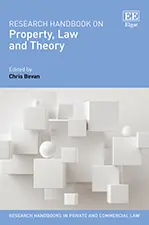
Kelvin Low
Cryptoassets and the Renaissance of the Tertium Quid?
The explosion of interest in cryptoassets has revived interest in a curious notion in the law of personal property: the tertium quid or personal property that is neither a thing in possession nor a thing in action. This renaissance, however, has not taken into account historical debates over the same or the law’s experience of the same in respect of patents. Once…
August 20, 2024

Taorui Guan
Personalizing Patent Law with Social Credit Data
In the era of digitization, data has become a pivotal force driving advancements across various sectors and transforming legal systems worldwide. China, in particular, is exploring new data-driven governance models. A prime example of this is its integration of the patent system with the Social Credit System (SCS). This paper aims to fill the void in theoretical research on this subject, moving…
July 8, 2024
Timothy Chan and Kelvin Low
Post-Scam Crypto Recovery: Final Clarity or Deceptive Simplicity?
In Jones v Persons Unknown [2022] EWHC 2543 (Comm), Nigel Cooper QC handed down the first final judgment on a claim to recover cryptoassets following a scam. While both the result and the reasoning may seem straightforward at first glance, a deeper analysis of the judgment reveals a concealed plethora of legal complications. This note critiques certain aspects of the court’s reasoning…
March 30, 2023
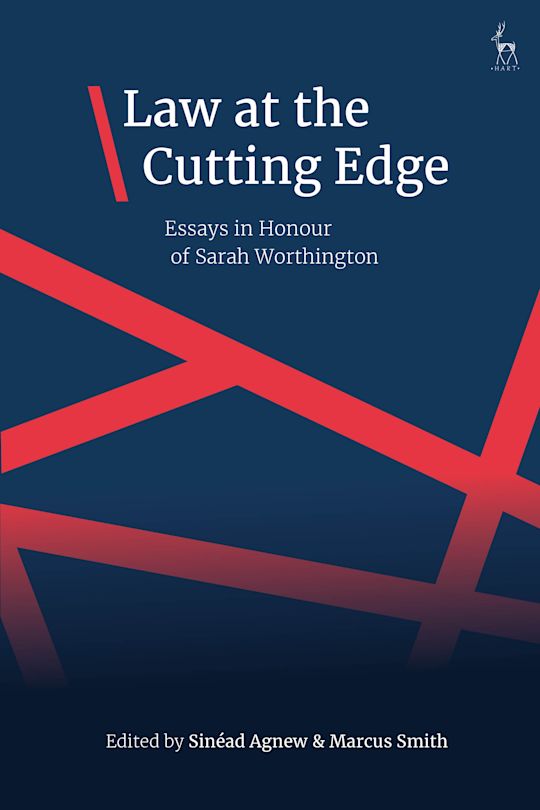
Peter Watts and Kelvin Low
The Case for Cryptoassets as Property
Cryptoassets, introduced in the wake of the Great Recession (2007-2009), have proven to be very divisive. Embraced by some as part of a revolutionary future, they are derided by others as the misconceived fever dream of naïve technologists who don’t understand how the real world works. Despite a recent meltdown in the cryptoasset markets, or perhaps because of it, the courts will…
April 1, 2024
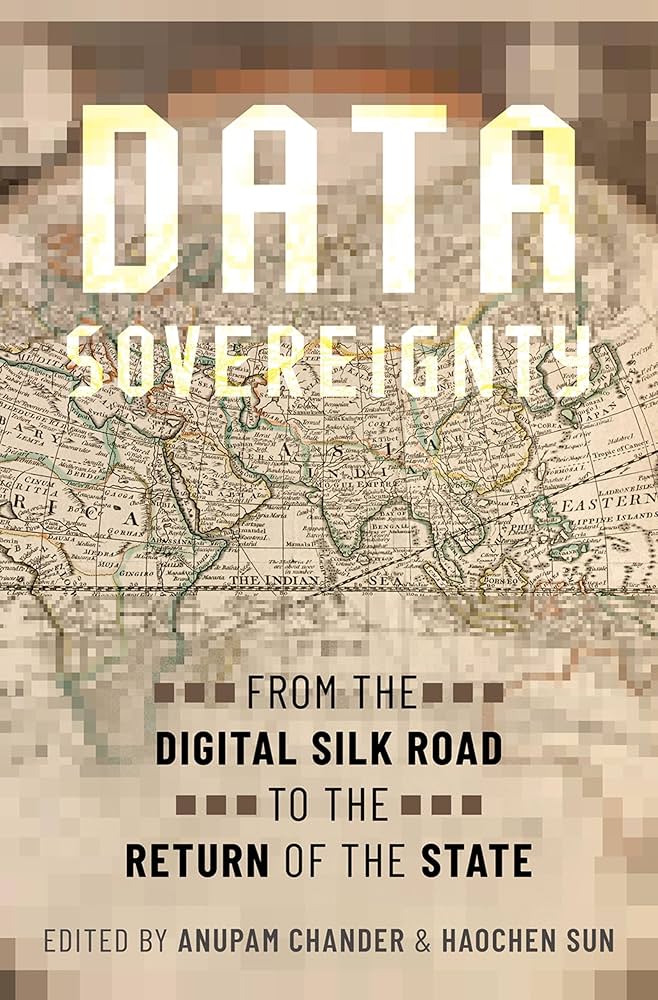
Anupam Chander (Georgetown University) and Haochen Sun
Data Sovereignty: From the Digital Silk Road to the Return of the State
Who, if anyone, should regulate the internet? Governments around the world have answered this question robustly: they will. Data sovereignty-the exercise of control over the internet-is the ambition of world leaders as a natural extension of traditional sovereignty and as a bulwark against the reach of foreign power. The question posed to governments now is not who should regulate the internet, but…
February 1, 2024

Taorui Guan
Cooperative Federalism and Patent Legislation: A Study Comparing China and the United States
How should patent legislative power be allocated between central and local governments in order to construct a patent system conducive to promoting innovation? A comparative analysis of the models of the U.S. and China sheds light on this question. The early American states established their patent systems before the formation of the federal system, but the U.S. Constitution arrogated patent legislative power…
January 7, 2024